"Best Before" Is Not "Expired": Teaching Kids to Read a Date Label
My son argued that an expired chips packet was still fine to eat, and he was right. The real difference between best before and use by, explained simply.
My son was arguing with his cousin over a packet of chips. The date on the back had passed, and his cousin wanted to throw it out. My son said no. It would not taste as good as a fresh packet, but it was still fine to eat. Not the freshest, not the best, but not dangerous either.
He was right, and I want to explain why, because most adults get this exact question wrong.
Two different dates, two different meanings
Packaged food in India carries a date, but that date is not one thing. It is one of two things, and they do not mean the same:
“Best Before” is a quality promise, not a safety line. It tells you the food should taste and look its best up to that date. After it, the company is no longer promising peak crispness, flavour or texture. The chips might go a little soft, the biscuit a little stale. That is a quality dip, not a hazard. Most packaged, dry, shelf-stable food (chips, biscuits, namkeen, packaged atta, most snacks) carries this kind of date.
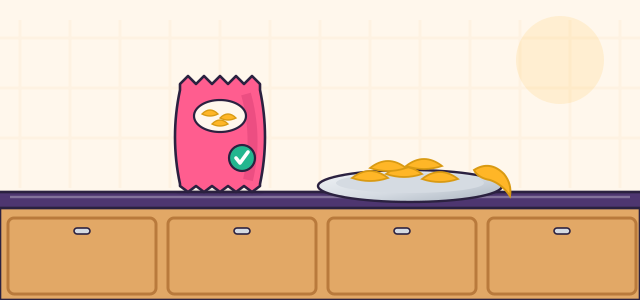
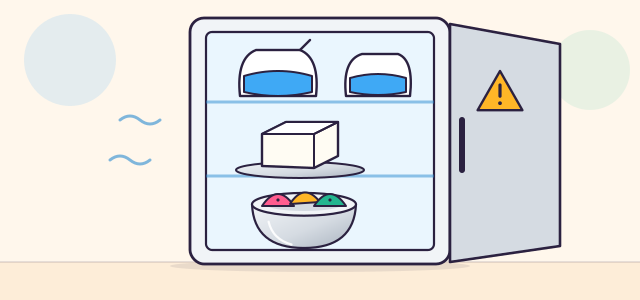
“Use By” is a safety line. Past this date, the food can genuinely make you ill, and the label is telling you to stop rather than just warning you the taste has dropped. This appears mostly on food that spoils: milk, paneer, cut fruit, anything chilled and perishable.

Why this mix-up is so common
Every packet in the house gets called “expired” once the date passes, quality label or safety label alike. It is an easy habit, and it is not really the fault of the person doing it. FSSAI (India’s food safety regulator) does require manufacturers to print one or the other, correctly, but nothing on the shelf explains the difference to the person reading it.
So a family either throws away food that was still completely fine, or, worse, eats something past a real safety date because they assumed every crossed date works like a chips packet. Teaching a child the difference fixes both mistakes at once.
How to teach it, without a lecture
You do not need a class for this. You need the next five minutes in your own kitchen.
Go find three dates together. Pull out a packet of biscuits, a carton of milk, and something in between like a packet of paneer or a jar of pickle. Read each date out loud and ask: does this feel like a “still fine, just not its best” date, or a “please do not eat this” date?
Teach the smell-and-look check as the real backup. Even a best-before food can go wrong before its date: a torn packet, a damp biscuit, oil gone rancid. “Check the date, then check with your nose and eyes” is a better rule than trusting either one alone.

Let them win the argument, sometimes. My son was right this time, and I told him so. A child who successfully reasons through “the date passed, but that does not automatically mean unsafe” is doing something more valuable than memorising a fact. He is learning to ask what a label actually claims, instead of accepting the scariest reading of it.
Where this shows up later
This is not really about chips packets. It is the same skill a child will need to read a medicine label, a warranty card, or a terms-and-conditions page one day: the habit of asking “what does this specific word actually promise” instead of reacting to the general shape of the sentence. A crossed date on a snack packet is a low-stakes, kitchen-table place to build that habit.
Common questions
Can you really eat chips after the best-before date? Usually yes, if the packet is sealed and looks and smells normal. The manufacturer is only promising peak quality up to that date, not that the food becomes unsafe afterwards.
What about “use by” on things like milk or paneer? Treat that one as a real stop sign. It marks a genuine safety risk, not just a drop in taste, and it is almost always on perishable, chilled food.
How do I tell which type of date is on a packet? Look at the words next to the date, not just the date itself. “Best before” or “best before end” means quality. “Use by” or “expiry date” means safety. If a packet only prints a date with no label at all, treat it as a safety date to be careful.